Mount Kilimanjaro is one of the most famous mountains in the world, attracting thousands of climbers every year. Reaching the summit is a dream for many people, but it requires good preparation. Below are the most important things to consider before starting your adventure.
1. Physical Fitness
Hiking Kilimanjaro is challenging, so you need to prepare your body well.
-
Do regular walking and cardio exercises to build stamina.
-
Practice walking on hills to strengthen your legs and lungs.
-
Take long-distance walks while carrying your daypack to get used to the weight.
2. Altitude Awareness
Kilimanjaro is a high-altitude mountain, and altitude sickness is common.
-
Climb slowly to allow your body to adjust.
-
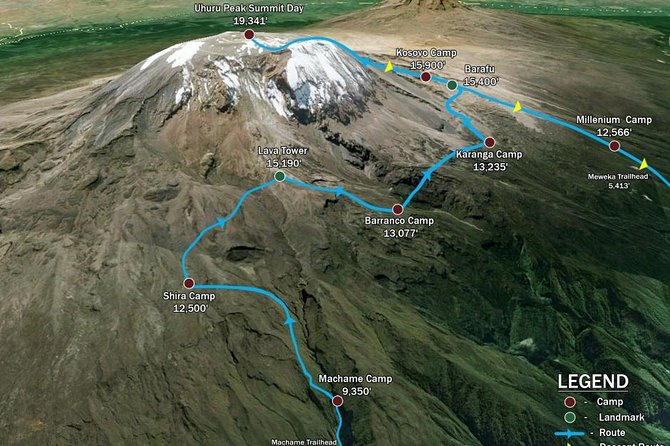
Choose a route with good acclimatization days such as Machame, Lemosho, or Rongai.
-
Know the early symptoms of altitude sickness: headaches, nausea, and loss of appetite.
3. Proper Gear
Having the right equipment makes the climb safer and more comfortable. Some essentials include:
-
Strong hiking boots
-
Warm layered clothing
-
Sleeping bag rated for –10°C to –15°C
-
Waterproof jacket and pants
-
Headlamp, trekking poles, gloves, hat, and thermal wear
-
Power bank, sunglasses, and sunscreen (the UV rays are strong on the mountain)
4. Professional Guides & Porters
A licensed tour operator is very important for a safe climb.
-
Guides help with safety, pace, altitude management, and navigation.
-
Porters carry your supplies and equipment, so appreciate them and tip fairly.
5. Weather & Seasons
Knowing the best time to climb will improve your experience.
-
The best months are January–March and July–October.
-
Avoid the rainy seasons: April, May, and early June.
-
Be prepared for very cold nights, especially near the summit.
6. Health Check & Vaccinations
Before traveling, make sure your health is in good condition.
-
Visit a doctor for advice and medical checks.
-
Check if you need a Yellow Fever vaccination depending on your travel route.
-
Carry personal medicine such as painkillers, first-aid items, and Diamox if recommended by a doctor.
7. Mental Preparation
Climbing Kilimanjaro is not only physical—it also requires mental strength.
-
Stay positive and patient throughout the hike.
-
Understand that summit night is the toughest part of the entire climb.
-
Believe in yourself and keep moving slowly.
8. Hydration & Nutrition
What you eat and drink greatly affects your performance.
-
Drink 3–4 liters of water each day.
-
Eat all meals even if altitude makes you lose appetite.
-
Avoid alcohol before and during the climb because it affects hydration and altitude response.
9. Travel Documents
Make sure your paperwork is ready.
-
Keep your passport and visa (if needed).
-
Have travel insurance that covers high-altitude trekking.
10. Budgeting
A Kilimanjaro climb includes several expenses.
Prepare for:
-
Park fees
-
Tour operator package
-
Tips for guides and porters
-
Gear rentals if you do not own the equipment
11. Choosing the Right Route
There are several routes, each offering a different experience:
-
Lemosho – Very scenic and great for acclimatization
-
Machame – Popular, beautiful, known as the “Whiskey Route”
-
Marangu – The only route with huts, easier path
-
Rongai – Quiet, good for first-timers
-
Umbwe – Very steep and challenging
Choose the one that fits your fitness level and desired experience.
12. Safety First
Your safety is the most important part of the journey.
-
Follow your guide’s instructions at all times.
-
Inform your guide immediately if you feel unwell.
-
Walk slowly — “Pole Pole,” as Tanzanians say.
Final Thoughts
Climbing Mount Kilimanjaro is a life-changing experience that requires good planning, the right gear, and a strong mindset. With proper preparation, you increase your chances of reaching Uhuru Peak and enjoying one of the most beautiful adventures in Africa.